

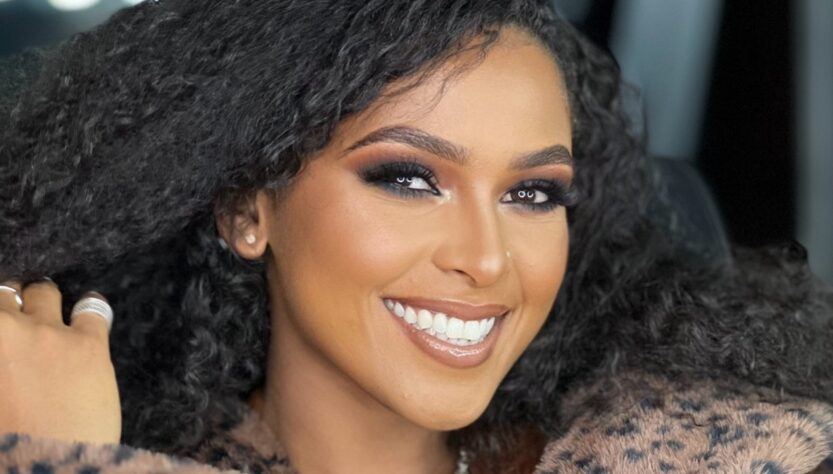
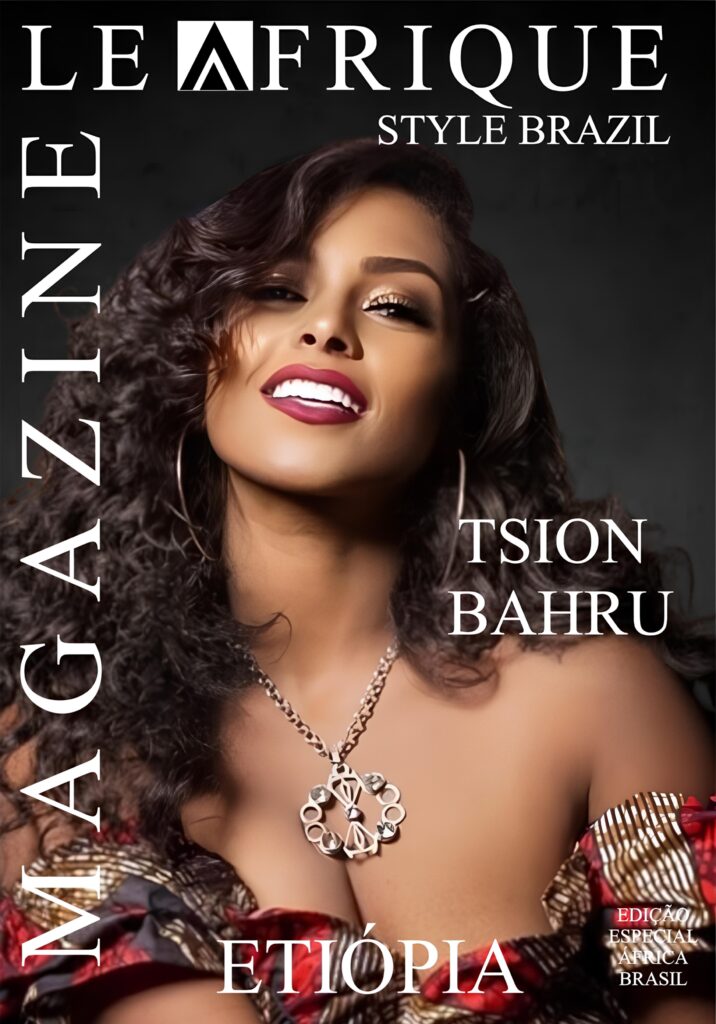
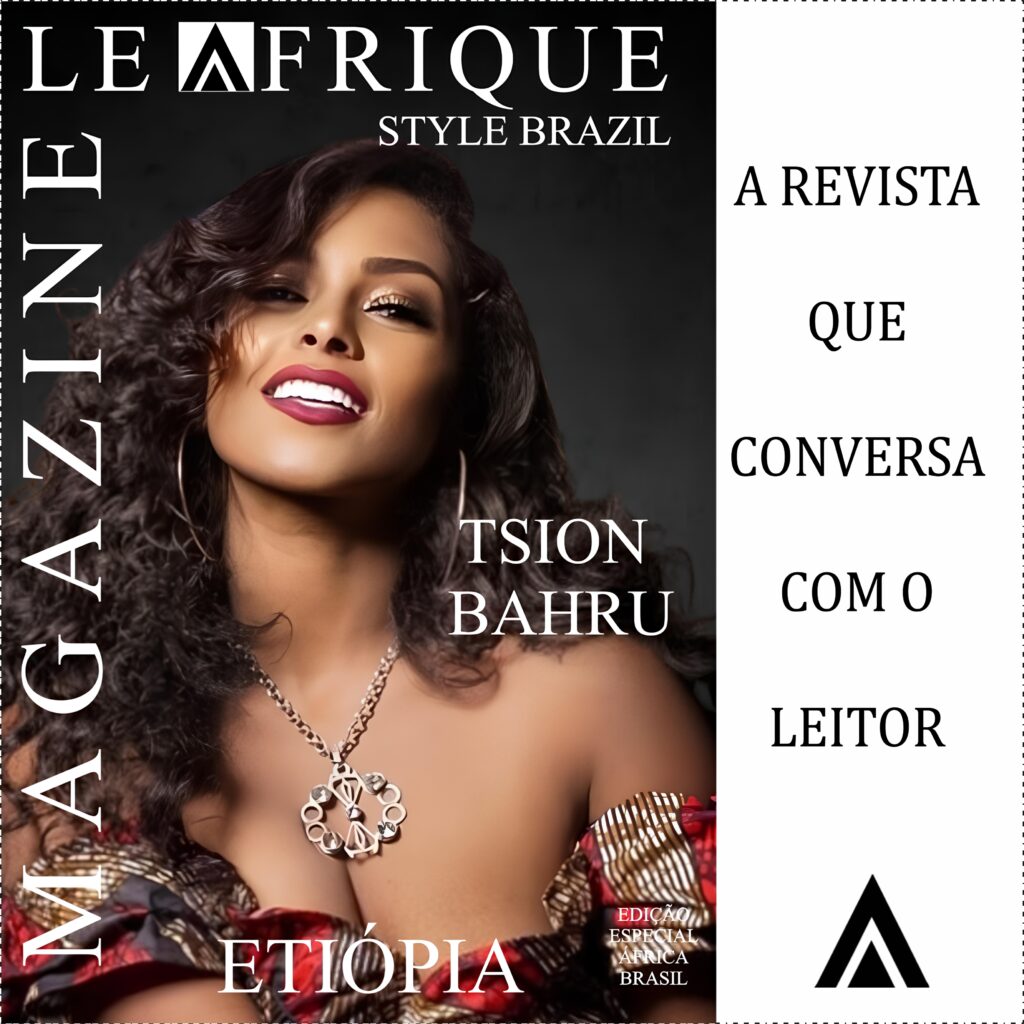
Edição 12ª Estrela da Capa Tsion Bahru da Etiópia.
Tsion Bahru é uma design de moda visionária na Etiópia.
Redação Le Afrique Brazil
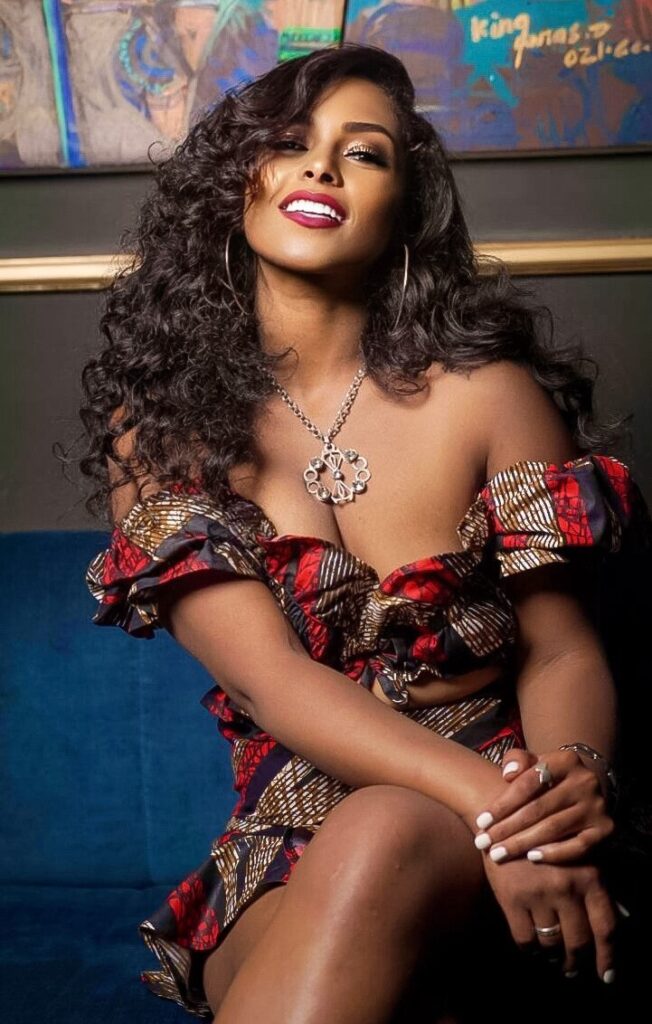
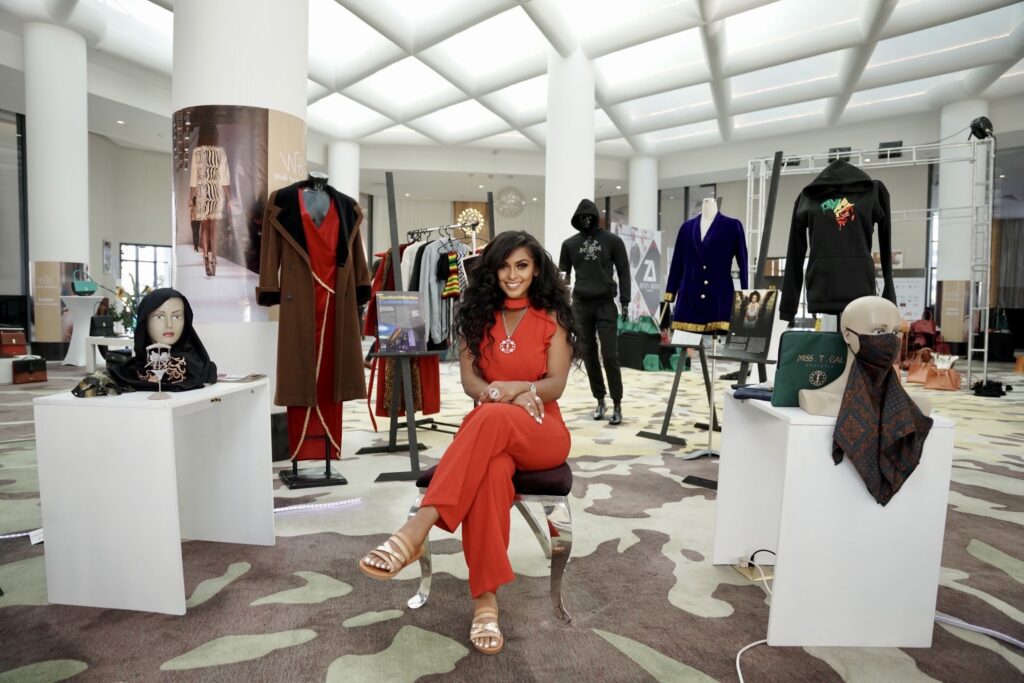
Como ela mesma se intitula, Tsion Bahru é a mulher visionária, ousada e criativa. Ela é a grande mente da moda criativa da marca MissT. Cal que é referência no mercado da indústria da moda na Etiópia. Ela nasceu e foi criada em Addis Ababa, onde fundou e se tornou diretora criativa e designer-chefe da MISST.CAL, uma empresa de design em vestuário que foi criada em 2019. Tsion nos conta que, a moda é mais do que apenas tecidos e pontos — é um reflexo íntimo da sua vida pessoal, das suas emoções e da sua jornada como mulher.
“Cada peça que eu desenho incorpora uma estética ousada, sexy e assumidamente feminina, que acredito que fala da força e sensualidade de todas as mulheres.”
Ela fala abertamente que sempre foi apaixonada pela feminilidade, e esse amor está presente em cada criação que ela dar vida. “Eu quero que meus designs empoderem as mulheres e as incentivem a abraçar seu próprio senso de poder.” Tsion Bahru
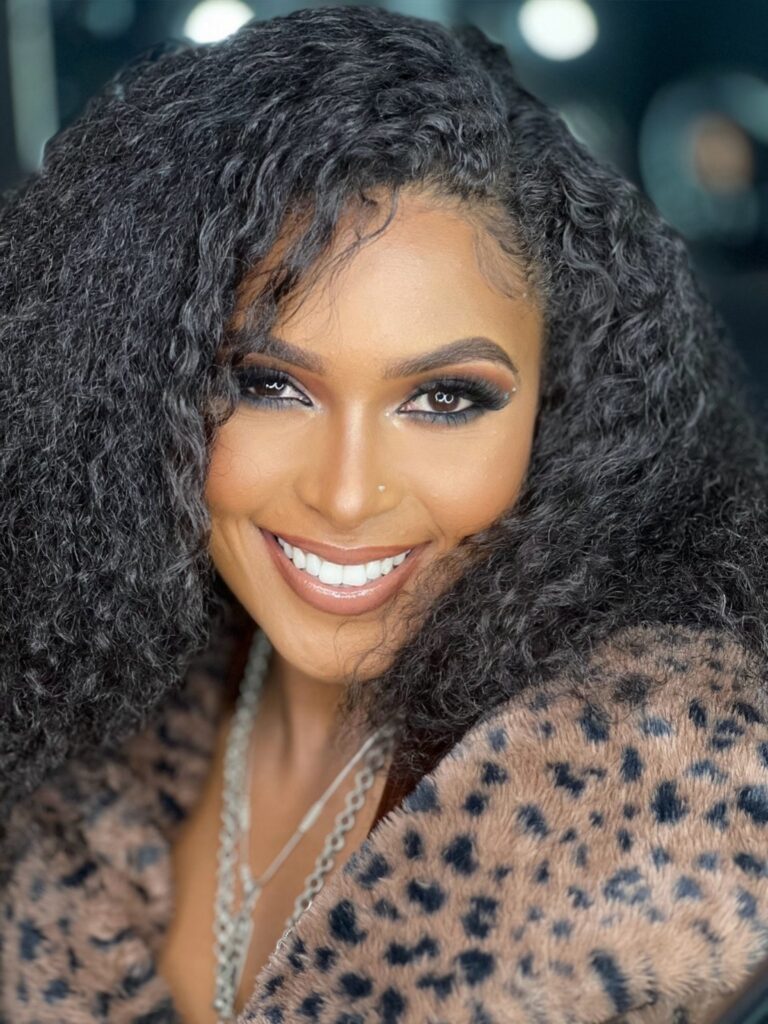
Tsion passa para nós que ela é uma mulher à frente do seu tempo. Ela é uma grande empresária que busca ir muito além daquilo que podemos imaginar. Com a sua devoção ao bem-estar feminino o seu trabalho se estende além da moda, ela criou uma submarca, Lilly Reusable Menstrual Pads. Esta iniciativa, focada em doações e apoio comunitário, é outra maneira de cuidar das mulheres, especialmente aquelas em comunidades vulneráveis. “Lilly é um reflexo do meu compromisso com o divino feminino e da importância de cuidados menstruais sustentáveis e acessíveis para todas as mulheres.”
Tsion diz; Eu devo muito da minha liberdade de expressão aos meus pais, que são intelectuais liberais que nutriram minhas paixões. Ao crescer, sempre fui encorajada a explorar meus interesses e me expressar autenticamente. Frequentar uma escola secundária francesa na Etiópia moldou ainda mais minha capacidade de formar e compartilhar minhas opiniões, o que foi inestimável tanto na minha vida pessoal quanto na minha carreira. Ela nasceu para viver e conhecer o mundo, em poucas palavras ela revela mais que; viajar também foi uma parte significativa da sua jornada. Suas primeiras viagens com o seu pai incutiram nela um profundo amor por explorar o mundo e, agora, como adulta, costuma viajar sozinha. Essas experiências influenciaram muito seus designs e sua perspectiva de vida. Cada lugar que ela visita contribui para o seu processo criativo, enriquecendo sua arte e expandindo a sua visão de mundo. A cada conversa com Tsion descobrimos muito mais desta mulher africana, principalmente quando falamos em espiritualidade. Afinal, ela nasceu num país que tem uma profunda conexão com o universo espiritual.
“Minha conexão com meu lado espiritual também é algo que prezo profundamente. Meditação e exercícios me ajudam a manter a clareza e a paz, mantendo-me firme enquanto alimentam minha criatividade. O crescimento espiritual significa tudo para mim e está interligado ao meu trabalho. Até mesmo o nome da minha marca, MISST. CAL, fala do poder místico e transformador em que acredito.”
Vale destacar que Tsion sabe separar as suas atividades, e seus objetivos. Embora ela se considere uma alma criativa, também é uma mulher de negócios com objetivos ambiciosos. No momento, ela está focada em escalar a MISSTCAL e explorar novas maneiras de expandir a marca. Ela nos conta que sempre adorou a arte comercial e está determinada a causar um impacto tanto artística quanto comercialmente.
“Embora eu sonhe em um dia explorar a pintura e até a música, meu foco principal no momento é continuar expandindo meu negócio. A MISST. CAL é mais do que apenas uma linha de roupas — é um reflexo da minha jornada, minhas paixões e minha crença inabalável no poder da feminilidade.” Finaliza, Tsion Bahru.

M – Quem é Tsion Bahru como mulher africana?
TB – Eu sou Tsion Bahru, nascida e criada no coração de Addis Ababa, Etiópia, e carrego com orgulho minha herança africana em tudo o que faço. Como fundadora, diretora criativa e designer-chefe da MISST. CAL, a empresa de design de vestuário que lancei em 2019, minha visão sempre foi celebrar e promover a riqueza da cultura africana, com foco especial na Etiópia — uma terra com uma história e diversidade extraordinárias que acredito ser o epítome da própria cultura. Por meio da MISST. CAL, pretendo criar mais do que apenas moda; quero contar histórias sobre a profundidade, beleza e resiliência da cultura africana e etíope. A Etiópia, com sua história antiga, tradições e diversidade vibrante, está presente em cada peça que eu desenho. Meu objetivo é compartilhar essa riqueza cultural com o mundo, destacando a força, a elegância e o orgulho que estão enraizados em nossa herança. Meu trabalho é um reflexo da incrível história e espírito do continente africano, e quero que cada mulher que use meus designs se sinta conectada a esse legado poderoso. Além da moda, estou comprometida em causar um impacto significativo na vida das mulheres, especialmente na África. Minha iniciativa, Lilly Reusable Menstrual Pads, reflete essa dedicação, pois fornece cuidados menstruais sustentáveis e acessíveis para mulheres em comunidades vulneráveis. Este projeto não é apenas sobre retribuir, mas também sobre honrar o papel poderoso que as mulheres desempenham na sustentação de nossa cultura e comunidades. Acredito que, ao apoiar as mulheres, fortalecemos nossa herança e nosso futuro. Crescendo, eu estava imerso nas ricas tradições da Etiópia, nutrido por pais liberais que me encorajaram a me expressar completamente e me conectar com minhas raízes. Frequentar uma escola francesa na Etiópia me deu uma perspectiva global, mas só aprofundou minha apreciação pela minha identidade etíope. Minhas viagens ao redor do mundo moldaram minha visão, mas é a tapeçaria cultural da Etiópia que continuamente inspira meu processo criativo e alimenta meu desejo de mostrar a excelência africana. Espiritualidade e crescimento pessoal são integrais à minha jornada, e acredito que estão profundamente ligados à nossa identidade cultural. MISST. CAL representa não apenas meu espírito criativo, mas também minha profunda conexão com o misticismo e o poder transformador da Etiópia. Vejo meu trabalho como uma forma de elevar e honrar a riqueza cultural que a África, e especialmente a Etiópia, oferece ao mundo. Minha missão é fazer a MISST. CAL crescer e se tornar uma marca global que não apenas celebra a moda, mas também defende a herança cultural da Etiópia e da África como um todo. Por meio dos meus designs, quero lembrar ao mundo a beleza, a diversidade e a história que tornam nosso continente tão extraordinário. Sou uma mulher africana orgulhosa, e meu trabalho é uma prova da força ilimitada e da riqueza cultural da Etiópia e da África.
M – O que a Etiópia significa para você?
TB – A Etiópia é a essência de quem eu sou — uma terra rica em história, cultura e diversidade que eu mantenho perto do meu coração. É o berço de civilizações antigas, um símbolo de resiliência e uma fonte de profunda beleza e sabedoria. Para mim, a Etiópia representa as raízes da herança africana, um lugar onde tradição e progresso coexistem harmoniosamente. Sua cultura vibrante, profundidade espiritual e pessoas diversas inspiram tudo o que eu faço. A história e a força da Etiópia estão entrelaçadas em minha identidade e trabalho, e por meio dos meus designs, pretendo compartilhar seu legado extraordinário com o mundo.
M – Que lugar na Etiópia é especial para você? E por quê?
TB – Axum tem um significado profundamente pessoal para mim, não apenas como um símbolo da rica história da Etiópia, mas porque meu nome é uma homenagem à sua herança sagrada. Axum, que já foi o coração de uma das civilizações antigas mais poderosas da África, é o lar da Igreja de Tsion Maryam, dedicada à Virgem Maria. Acredita-se que esta igreja seja o local de descanso da Arca da Aliança, tornando-a um epicentro espiritual para os etíopes e o mundo. Ser chamada de Tsion me conecta a este lugar sagrado, sua história e seu profundo legado espiritual. A presença atemporal de Axum me inspira, me fundamentando na profunda herança cultural e religiosa da Etiópia.
M – O que você poderia me dizer sobre viver na Etiópia?
TB – Viver na Etiópia é como estar enraizado na essência primordial da humanidade. É uma terra que não perdeu o contato com sua alma, onde o espírito de civilizações antigas ainda sussurra através das montanhas, vales e espaços sagrados. Enquanto o mundo ao nosso redor pode correr em direção à modernização, a Etiópia permanece unicamente aterrada, mantendo seu espírito virgem, intocada pelo impulso implacável em direção ao materialismo. A vida aqui é profundamente humana, conectada aos ritmos da natureza e às tradições transmitidas por séculos. Há uma crueza na Etiópia que eu acho profundamente bela. Não se trata apenas das conveniências modernas de uma cidade movimentada como Addis Ababa, mas mais sobre as paisagens selvagens, as práticas antigas que ainda guiam a vida diária e a profundidade espiritual que permeia cada canto. A Etiópia é um dos poucos lugares onde você pode se sentir verdadeiramente conectado à terra, onde suas raízes estão entrelaçadas com as de seus ancestrais e onde o passado e o presente coexistem em harmonia. Adoro que a Etiópia tenha preservado suas raízes. É um lugar onde comunidade, espiritualidade e tradição importam mais do que posses. Viver aqui me mantém com os pés no chão, me lembrando que a essência da vida é muito mais primitiva e significativa do que qualquer coisa material.
M – Quais lugares podemos explorar no turismo da Etiópia?
TB – A Etiópia oferece uma riqueza de tesouros culturais e naturais que cativam qualquer viajante, com muitos lugares permanecendo intocados pelo turismo moderno. Um dos destinos mais icônicos é **Lalibela**, lar das impressionantes igrejas escavadas na rocha, um Patrimônio Mundial da UNESCO que transporta os visitantes para a história cristã medieval da Etiópia. Outro lugar imperdível é **Axum**, com seus obeliscos antigos, as ruínas do Império Axumita e a reverenciada Igreja de Tsion Maryam, que muitos acreditam abrigar a Arca da Aliança.
Para os amantes da natureza, o **Parque Nacional das Montanhas Simien** oferece vistas de tirar o fôlego e oportunidades de ver animais selvagens raros, incluindo o babuíno Gelada e o lobo etíope. **A Depressão de Danakil**, um dos lugares mais quentes e extremos da Terra, oferece paisagens surreais de salinas, atividade vulcânica e fontes de enxofre — uma verdadeira aventura para o viajante ousado.
**Bahir Dar** é um ótimo destino para explorar o **Lago Tana**, a fonte do Nilo Azul, e as deslumbrantes **Cataratas do Nilo Azul**. Enquanto isso, a cidade cultural e histórica de **Harar**, com suas muralhas antigas e mercados vibrantes, exibe a herança muçulmana da Etiópia.
Ao explorar a Etiópia, é essencial se manter informado sobre segurança. Embora muitas áreas sejam seguras para turistas, é aconselhável se manter atualizado sobre segurança regional e seguir os avisos de viagem.
M – Em relação à cultura etíope, há alguma diferença em comparação com outros países da África? Quais?
TB – A cultura etíope se destaca de outros países africanos devido à sua mistura única de tradições antigas, religião e história. Ao contrário de muitas nações africanas que passaram por longos períodos de colonização, a Etiópia orgulhosamente mantém um profundo senso de independência, nunca tendo sido totalmente colonizada. Isso permitiu que preservasse muitas de suas tradições e marcos históricos, como as antigas práticas cristãs da Igreja Ortodoxa Etíope. O país segue seu próprio calendário e tem seu próprio script, Ge’ez, distinguindo-o ainda mais de seus vizinhos africanos.
A culinária da Etiópia, notavelmente **injera** e **wat**, é distinta em seus sabores e estilo de alimentação comunitária, diferenciando-a de outras culturas alimentares africanas. Além disso, os estilos de música e dança da Etiópia, como o ** Eskista ** de sacudir os ombros, estão profundamente enraizados em sua herança cultural. A ênfase do país na espiritualidade, especialmente por meio do cristianismo ortodoxo e sua herança muçulmana em Harar, também o diferencia de muitas outras nações africanas.
M – Qual é o maior símbolo da Etiópia?
TB – O **Leão de Judá** é o símbolo mais duradouro e poderoso da Etiópia. Ele representa a antiga linhagem do país, força e conexão com sua herança bíblica. O Leão de Judá está profundamente ligado à história real da Etiópia, especialmente à dinastia salomônica, que remonta suas raízes ao Rei Salomão e à Rainha de Sabá. Ele simboliza a resiliência e a independência da Etiópia, particularmente como uma das poucas nações africanas nunca totalmente colonizadas.
Outro símbolo significativo é a **Arca da Aliança**, que se acredita estar abrigada na Igreja de Tsion Maryam em Axum. Esta relíquia sagrada liga a Etiópia às suas antigas tradições cristãs e é um aspecto importante do cristianismo ortodoxo etíope, que é central para a identidade da nação.
Juntos, esses símbolos refletem as profundas raízes religiosas, históricas e culturais da Etiópia, enfatizando a singularidade do país e seu forte senso de identidade e orgulho.
M – Quando você pensa na Etiópia, o que vem primeiro à sua mente?
TB – Quando penso na Etiópia, a primeira coisa que me vem à mente é **herança** — minha profunda conexão com uma terra que é antiga e atemporal. A Etiópia é onde história, espiritualidade e cultura se unem de uma forma que parece profundamente pessoal. Axum, o lugar que me deu o nome, tem um significado especial para mim, me lembrando das minhas raízes, da sacralidade de Tsion Maryam e da rica profundidade espiritual da Etiópia. Penso na resiliência da Etiópia — seu legado não colonizado e como preservou sua identidade única. Para mim, a Etiópia representa força, autenticidade e uma conexão primordial com a vida, intocada pelo materialismo. É um lugar onde a tradição ainda guia o presente, moldando quem eu sou e alimentando minha visão criativa.
M – Agora vamos falar sobre a moda que existe na Etiópia. Sei que algumas roupas são diretamente conectadas à religião. Você pode me explicar como isso é real no país?
TB – Na Etiópia, a moda está profundamente entrelaçada com a religião e a tradição, particularmente na Igreja Ortodoxa Etíope. Roupas tradicionais, como a ** habesha kemis ** para mulheres e ** netela ** ou ** gabi ** xales para homens e mulheres, são frequentemente usados em cerimônias religiosas e eventos culturais significativos. Essas vestimentas são tipicamente feitas de algodão tecido à mão e adornadas com padrões intrincados, refletindo tanto o significado regional quanto o espiritual.
Durante os serviços religiosos e dias santos, os etíopes usam vestes brancas ou de cores claras, simbolizando pureza e devoção. O ** netela **, um xale leve, é colocado sobre os ombros ou a cabeça, particularmente durante a oração. O design e o uso dessas roupas não são apenas declarações de moda; eles incorporam identidade religiosa e respeito pela tradição.
As comunidades islâmicas etíopes também têm trajes tradicionais distintos, com modéstia e expressão cultural desempenhando papéis importantes. Essa conexão entre moda, religião e cultura é um reflexo poderoso da profundidade espiritual da Etiópia.

M – Como mencionei, a religião do país está conectada à moda feminina. Quero saber sobre essa ancestralidade deixada por Makeda, a Rainha de Sabá. Sua existência também está ligada à moda feminina. Ela era uma mulher deslumbrante, chique e sofisticada. Existe alguma verdade na história ancestral deixada por ela?
TB – O legado de **Makeda**, a Rainha de Sabá, tem um peso cultural e histórico significativo na Etiópia, particularmente no que diz respeito à moda feminina. Como uma figura poderosa na história etíope e bíblica, ela simboliza beleza, sabedoria e sofisticação. Muitos etíopes a veem como uma matriarca ancestral, representando a força e a essência da feminilidade.
Sua influência na moda feminina se reflete no traje tradicional etíope, que frequentemente enfatiza a elegância e a graça. O ** habesha kemis **, com sua silhueta fluida e designs intrincados, é frequentemente associada às qualidades régias atribuídas a ela. A ênfase na modéstia e sofisticação nas roupas femininas pode ser vista como uma continuação de seu legado, inspirando gerações de mulheres a abraçar sua herança e feminilidade.
Embora a evidência histórica da existência de Makeda permaneça uma mistura de lenda e mito, sua história continua a inspirar e empoderar mulheres na Etiópia. A moda que celebra seu espírito destaca o orgulho cultural e a conexão ancestral que define a identidade etíope, reforçando a ideia de que a moda feminina está profundamente enraizada na história e na tradição.
M – Como você define essa moda tão rica em cores, bordados e pedras preciosas que trazem luxo e sofisticação a cada peça? Há um toque de realeza deixado pela Makeda?
TB – A moda etíope, caracterizada por suas cores ricas, bordados intrincados e o uso de pedras preciosas, é uma expressão vibrante da herança cultural que incorpora luxo e sofisticação. Cada peça conta uma história, muitas vezes enraizada nas tradições da realeza antiga, incluindo o legado de **Makeda**, a Rainha de Sabá. As cores e padrões ousados refletem a beleza natural da paisagem etíope, enquanto o bordado meticuloso mostra a habilidade e a arte dos artesãos locais. O uso de pedras preciosas, particularmente em joias tradicionais, acrescenta um elemento de opulência, reminiscente do esplendor associado às figuras reais. Há de fato um toque de realeza nessa moda. A elegância e a graça das vestimentas evocam a sofisticação de rainhas históricas como Makeda, inspirando designs modernos que celebram a feminilidade e o poder. Essa conexão com a ancestralidade real infunde a moda etíope com um senso de dignidade e orgulho, tornando cada peça uma homenagem a um rico legado cultural.
M – Suas criações parecem surreais dada a beleza de cada detalhe do bordado. De onde vem tanta inspiração?
TB – A inspiração por trás das minhas criações vem de uma profunda apreciação pela rica tapeçaria da cultura etíope, particularmente suas cores vibrantes, bordados intrincados e o uso luxuoso de pedras preciosas. Eu me inspiro no legado ancestral de figuras como Makeda, a Rainha de Sabá, cuja elegância e sofisticação continuam a ressoar no traje tradicional da minha terra natal. Cada peça que eu desenho é uma celebração dessa herança, infundindo estética contemporânea com a beleza dos tecidos tradicionais etíopes. Eu amo fundir designs modernos de várias culturas ao redor do mundo com esses tecidos ricos, criando peças únicas que honram tanto a tradição quanto a inovação. O resultado é uma mistura surreal que reflete as diversas influências que me inspiram, ao mesmo tempo em que homenageia minhas raízes. Essa fusão não só me permite expressar minha criatividade, mas também me conecta ao poderoso legado de feminilidade e força que define a cultura etíope.
M – A marca traz um pouco de mistério e sensualidade. Como foi trazer esse conceito para o mercado de moda na Etiópia?
TB – Trazer o conceito de mistério e sensualidade para o mercado da moda na Etiópia tem sido uma jornada profundamente gratificante. O nome da minha marca, **MISST. CAL**, é um trocadilho com a palavra “místico”, incorporando habilmente meu nome, Tsion, junto com a ideia de design calculado. A essência da moda está enraizada na geometria e na matemática — padrões, formas e a busca pela beleza perfeita por meio de números. Incorporar esses temas em minhas criações me permite celebrar a riqueza da cultura etíope enquanto a infundo com sensibilidades modernas. Cada peça incorpora uma mistura de tradição e elegância contemporânea, extraindo das cores vibrantes, bordados intrincados e elementos luxuosos que refletem nossa herança. Apresentar esse conceito ao mercado etíope não tem sido apenas sobre estética; é sobre empoderar as mulheres a abraçar sua identidade com confiança. A qualidade mística dos meus designs ressoa com o legado de figuras poderosas como Makeda, evocando um senso de realeza e sofisticação que é ao mesmo tempo atraente e autêntico. Essa fusão de mistério e sensualidade convida a uma conexão mais profunda com a moda, encorajando os indivíduos a expressar suas histórias únicas por meio de cada peça.
M – Você se autodenomina uma mulher visionária. Conte-me mais sobre ser essa mulher?
TB – Chamar a mim mesma de mulher visionária vem do meu desejo de misturar tradição com inovação e criar um impacto significativo por meio do meu trabalho. Vejo o mundo não apenas como ele é, mas como ele poderia ser — um lugar onde cultura e criatividade se cruzam para inspirar e empoderar. Como visionária, eu me esforço para ultrapassar os limites da moda, fundindo designs modernos com a rica herança da Etiópia, particularmente através das lentes das minhas raízes ancestrais. Ser uma mulher visionária significa abraçar minha perspectiva única e usá-la para criar narrativas que ressoem com os outros. Acredito no poder transformador da moda para contar histórias e elevar identidades, permitindo que os indivíduos se conectem com sua herança cultural enquanto abraçam a estética contemporânea. Meu objetivo é encorajar as mulheres a celebrar sua força e individualidade, inspirando-se na rica tapeçaria de nossa história compartilhada. Também vejo meu papel como um catalisador para a mudança, defendendo práticas sustentáveis e o empoderamento da comunidade por meio de minhas iniciativas, como os absorventes menstruais reutilizáveis Lilly. Essa abordagem holística ao meu trabalho reflete meu comprometimento não apenas em criar peças bonitas, mas também em promover um senso de propósito e conexão dentro da comunidade. Ser uma mulher visionária significa ser assumidamente autêntica e ousar sonhar alto, moldando um futuro que honra nosso passado enquanto abraça infinitas possibilidades.
M – Qual é o conceito comercial da Miss. T. Cal?
TB – O conceito comercial da Miss. T. Cal gira em torno da criação de uma fusão única de moda tradicional etíope e princípios de design moderno, resultando em uma coleção que é culturalmente rica e contemporânea. A marca visa celebrar a beleza e as complexidades dos tecidos etíopes, incorporando cores vibrantes, bordados intrincados e elementos luxuosos que refletem a herança da nação, ao mesmo tempo em que atrai um público global. No centro do conceito está a ideia de **mística e sensualidade**, onde cada peça convida os usuários a se conectarem com sua identidade e abraçarem sua individualidade. Ao alavancar práticas sustentáveis e métodos de produção éticos, a Miss. T. Cal também prioriza a responsabilidade ambiental e o empoderamento da comunidade. A marca busca estabelecer uma narrativa forte em torno de suas criações, enfatizando a narrativa por meio da moda. Ao destacar o rico significado cultural por trás de cada design e a inspiração tirada de figuras como Makeda, a Rainha de Sabá, a Miss. T. Cal visa ressoar com os consumidores em um nível mais profundo. No final das contas, o conceito comercial se concentra na criação de peças luxuosas e de alta qualidade que refletem uma mistura única de tradição e modernidade, capacitando as mulheres a expressar sua identidade com confiança e, ao mesmo tempo, conectando-as às suas raízes culturais.
M- Conte-me sobre essa nova coleção e o lançamento, que foi um grande sucesso?
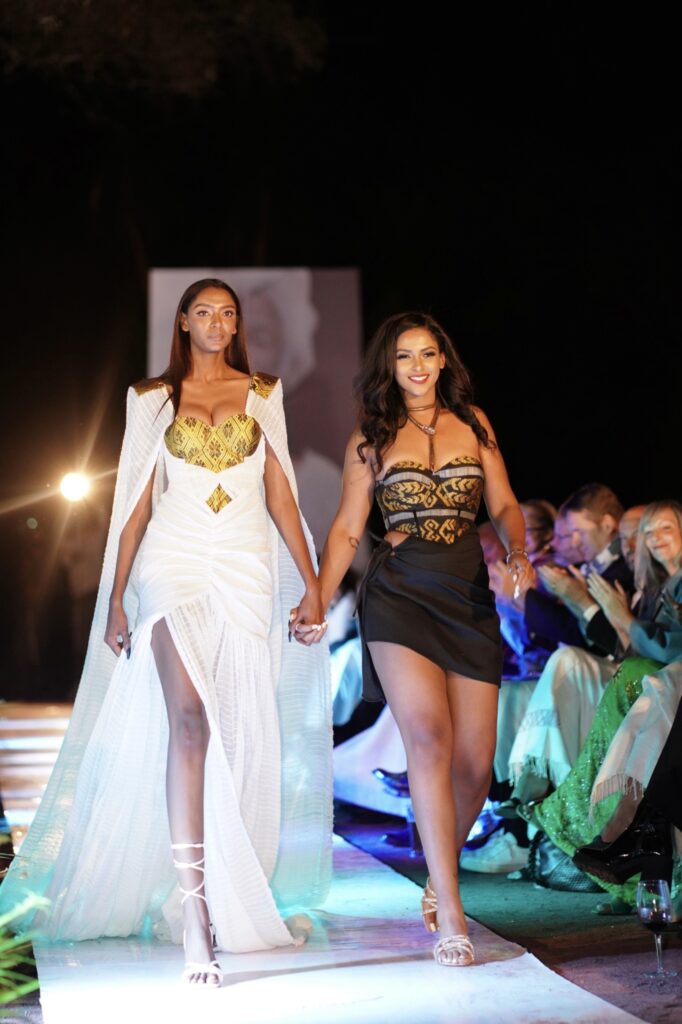
TB – O lançamento da minha nova coleção, ** Ethno Chic**, foi um sucesso monumental que repercutiu profundamente na comunidade da moda na Etiópia e além. Esta coleção funde exclusivamente espartilhos e bustiês modernos com tecidos e bordados intrincados etíopes, criando peças que são luxuosas e culturalmente ricas. O que diferencia o Ethno Chic é sua capacidade de misturar silhuetas contemporâneas com elementos tradicionais, desafiando as normas de modéstia e conservadorismo na moda etíope. Corsets e bustiers não são tipicamente adotados em nossa cultura, mas esta coleção abriu novos caminhos ao reinterpretar esses estilos de uma forma que celebra a feminilidade enquanto honra nossa herança. A resposta tem sido esmagadora, especialmente entre noivas e consumidores de luxo que buscam algo distinto e elegante. O artesanato intrincado e os ricos detalhes em cada peça as tornaram altamente procuradas, marcando a Ethno Chic como uma das primeiras coleções a mesclar com sucesso esses elementos na Etiópia. Esse sucesso não apenas reflete uma apreciação crescente por designs inovadores, mas também destaca uma mudança em direção à adoção de estilos mais ousados e expressivos no cenário da moda.
M – Como você pesquisa para criar uma nova coleção?
TB – Pesquisar para uma nova coleção é um processo imersivo e multifacetado para mim, combinando exploração cultural, tendências modernas e reflexão pessoal. Começo me aprofundando na história e herança etíopes, inspirando-me em tecidos, padrões e simbolismos tradicionais que foram passados de geração em geração. Estudo os bordados e artesanatos intrincados exclusivos de várias regiões, garantindo que cada coleção honre o rico legado cultural da Etiópia. Junto a isso, exploro tendências globais da moda para entender como elementos contemporâneos como silhuetas, cortes e materiais podem ser fundidos com a estética tradicional. Sou particularmente atraído por arquitetura, natureza e arte, que frequentemente servem como fonte de inspiração para as formas e formatos em meus designs. Também confio em experiências pessoais, viagens e até mesmo práticas espirituais como meditação para alimentar minha criatividade. Isso me ajuda a permanecer conectado ao significado mais profundo por trás de cada peça, garantindo que meus designs não apenas pareçam bonitos, mas carreguem uma história ou mensagem. Por fim, trabalho em estreita colaboração com artesãos e artífices, experimentando tecidos, texturas e novas técnicas. É uma jornada de mistura de modernidade com tradição, onde garanto que cada detalhe seja calculado — assim como minha marca, MISS.T. CAL — equilibrando mística e precisão matemática para encontrar a beleza perfeita.
M – E sobre as tendências que vocês estão lançando no mercado de moda africano? Qual é a sua visão sobre isso?
TB – Ao lançar novas tendências no mercado da moda africana, vejo isso como uma oportunidade de unir tradição com inovação, trazendo novas perspectivas enquanto permanece enraizada na autenticidade cultural. A África tem uma herança rica e diversa, e acredito que o futuro da moda africana está em celebrar essa herança ao mesmo tempo em que abraça influências globais. Minha visão é introduzir **silhuetas modernas**, como espartilhos e bustiês, por meio de coleções como ** Ethno Chic**, que incorporam tecidos e artesanato etíopes intrincados. Essa fusão não apenas honra nossas tradições, mas também as eleva para atender aos gostos em evolução do consumidor moderno e antenado na moda. Vejo o mercado da moda africana como um que está se tornando mais aberto a designs ousados e expressivos, mas ainda há um forte respeito pela modéstia e integridade cultural. Meu objetivo é desafiar algumas dessas normas — como introduzir elementos mais ousados que normalmente não fazem parte da nossa cultura da moda — mas fazê-lo de uma forma que pareça empoderadora e luxuosa. Ao misturar o tradicional e o moderno, pretendo definir tendências que não apenas mostrem a beleza do design africano, mas também expandam os limites do que é possível em nosso mercado. Trata-se de oferecer algo único, estiloso e profundamente conectado à identidade africana.
M – Tsion, você é uma mulher à frente do seu tempo. Empreendedora, transformadora, criativa, com muitos projetos em mente. O que você planeja lançar no mercado da moda?
TB – Obrigada! Sempre acreditei em ultrapassar limites e criar algo único, então estou animada com o futuro. Um dos meus maiores planos é continuar evoluindo a fusão de tecidos tradicionais etíopes com tendências de moda modernas e globais. Quero apresentar peças mais ousadas e inovadoras, como os espartilhos e bustiês em meu ** Ethno Coleção chique** — que desafia as normas convencionais ao mesmo tempo em que honra nossa herança cultural. Também sou apaixonada por sustentabilidade e empoderamento comunitário. Estou trabalhando na expansão de uma linha sustentável que se concentra em materiais ecológicos e produção ética, alinhando-se com meu compromisso de preservar nosso meio ambiente enquanto apoio artesãos locais. Meu projeto **Lilly Pads**, que fornece absorventes menstruais reutilizáveis para mulheres em comunidades vulneráveis, é uma parte fundamental dessa visão. Acredito que a moda pode ser uma ferramenta poderosa para uma mudança positiva, e quero garantir que minha marca reflita isso não apenas criando peças bonitas, mas também retribuindo à comunidade e empoderando as mulheres.
M – Em relação a outros países do continente africano, para qual país você está levando seu trabalho de moda?
TB – Estou animada para levar meu trabalho de moda para o **Quênia**, um país com uma cena de moda vibrante e dinâmica que, como a Etiópia, tem uma rica herança cultural. O Quênia sempre me inspirou com suas declarações de moda ousadas e diversas e sua abertura à inovação criativa. Vejo isso como uma extensão natural para minha marca, especialmente porque os consumidores quenianos apreciam designs que misturam tradição com modernidade, o que se alinha perfeitamente com o ethos das minhas coleções. Ao expandir para o Quênia, espero criar um diálogo cultural mais profundo entre nossas duas nações por meio da moda, apresentando peças que fundem o artesanato etíope com uma estética global moderna. É uma oportunidade maravilhosa de levar minha visão de ** Ethno Chic** e moda sustentável e voltada para a comunidade a um novo público, enquanto aprendo com a energia criativa e a abordagem vanguardista do estilo do Quênia.
M – Existem diferenças no mercado da indústria da moda na África?
TB – Sim, há diferenças significativas dentro do mercado da indústria da moda africana, refletindo a diversidade de culturas, economias e preferências do consumidor em todo o continente. Por exemplo, países como **África do Sul** e **Nigéria** têm indústrias de moda mais estabelecidas e comercializadas, com infraestrutura bem desenvolvida, eventos de moda em larga escala e reconhecimento internacional. Esses mercados geralmente enfatizam tendências de ponta e designs modernos, com designers que estão fortemente envolvidos na conversa global sobre moda.
Em contraste, países como **Etiópia** e **Quênia** estão mais focados em preservar a herança cultural e o artesanato tradicional, ao mesmo tempo em que integram elementos modernos. A moda etíope, por exemplo, coloca uma forte ênfase em tecidos artesanais, bordados intrincados e o uso de materiais indígenas, que refletem a história profundamente enraizada e a identidade cultural do país.
As diferenças também se estendem à forma como cada mercado aborda a sustentabilidade e a produção local. Enquanto alguns países africanos são pioneiros em movimentos de moda ética, outros ainda estão nos estágios iniciais de adoção de práticas ecologicamente corretas. No geral, o cenário da moda africana é incrivelmente diverso, com cada país oferecendo sua própria visão única sobre estilo, tradição e inovação.
M – Qual país do continente africano, na sua opinião, fez um progresso significativo dentro do mercado da moda na Europa?
TB – Na minha opinião, a **Nigéria** fez o progresso mais significativo no mercado da moda na Europa. Designers e marcas nigerianas ganharam reconhecimento internacional substancial, particularmente em cidades como Londres e Paris. A indústria da moda do país tem uma mistura dinâmica de designs ousados e inovadores que fundem a estética tradicional africana com tendências globais, o que chamou a atenção do mercado europeu. Eventos como a **Lagos Fashion Week** desempenharam um papel importante na exibição do talento nigeriano para um público global, permitindo que designers colaborassem com marcas e compradores internacionais. A moda nigeriana é conhecida por seu uso vibrante de cores, silhuetas ousadas e sua capacidade de contar histórias culturais poderosas por meio da moda moderna. Isso tornou os designers nigerianos proeminentes na Europa, onde há uma apreciação crescente pelo artesanato africano, criatividade e marcas de moda de luxo.
M – Há falta de investimento e suporte dentro da indústria da moda africana? Por quê?
TB – Sim, há uma falta de investimento e apoio na indústria da moda africana, e isso se deve a vários fatores. Um dos principais motivos é a percepção da moda como uma indústria menos essencial ou não lucrativa em muitos países africanos. Ao contrário de indústrias como agricultura ou tecnologia, a moda é frequentemente vista como um setor criativo que não atrai o mesmo nível de financiamento governamental ou corporativo, embora tenha um enorme potencial de crescimento econômico. Outro desafio é a **infraestrutura**. Muitos designers de moda africanos não têm acesso às instalações de fabricação necessárias, materiais de qualidade e canais de distribuição que são essenciais para expandir seus negócios. Isso limita sua capacidade de competir em mercados internacionais, onde a produção é frequentemente mais rápida e simplificada. Além disso, a ausência de instituições formais de educação e treinamento em moda em muitos países africanos restringe o desenvolvimento de habilidades técnicas e perspicácia empresarial necessárias para o crescimento na indústria. Combinados com a falta de exposição aos mercados e tendências globais, esses desafios criam barreiras para designers que tentam expandir e sustentar suas marcas. No entanto, a ascensão de plataformas como as **semanas de moda africanas** e iniciativas que promovem designers africanos globalmente está começando a atrair mais atenção, mas ainda é necessário um investimento consistente e substancial para liberar todo o potencial da indústria da moda do continente.

M – Como funciona a indústria da moda na Etiópia?
TB – Na Etiópia, o cenário da moda ainda está em fase de desenvolvimento, e eu não diria que é uma indústria totalmente estabelecida ainda. É mais um setor emergente onde o artesanato tradicional e o design moderno estão começando a se cruzar. Enquanto a Etiópia tem uma rica herança cultural de tecidos e roupas, especialmente com tecidos feitos à mão como ** habesha kemis ** e bordados complexos, a infraestrutura e o suporte necessários para criar uma indústria da moda robusta ainda são escassos. A maioria dos designers e artesãos opera em uma escala menor e mais localizada, contando com artesanato e mercados locais. Há acesso limitado a instalações de produção de alta qualidade, ferramentas modernas e canais de distribuição internacionais. Além disso, a educação formal em design de moda e gestão empresarial é escassa, tornando desafiador para os designers expandir suas marcas além do público local ou regional. No entanto, há uma comunidade crescente de designers de moda que estão misturando elementos tradicionais etíopes com tendências modernas, visando colocar a moda etíope no mapa global. Eventos como a **Addis Ababa Fashion Week** estão começando a ganhar força, oferecendo uma plataforma para designers locais mostrarem seu trabalho. O potencial é imenso, mas mais investimento, infraestrutura e exposição internacional são necessários para criar uma indústria de moda verdadeiramente próspera na Etiópia.
M – Tsion, o que falta para que as semanas de moda na África passem a fazer parte do calendário internacional da moda?
TB – Para que as semanas de moda na África se tornem parte do calendário internacional da moda, vários elementos-chave ainda estão faltando. Um dos maiores desafios é o **investimento consistente**. Para competir no cenário global, as semanas de moda africanas precisam de mais apoio financeiro para garantir que os eventos sejam bem organizados, de alta qualidade e capazes de atrair compradores, mídia e influenciadores internacionais. Isso inclui financiamento para melhor infraestrutura de produção, marketing e patrocínios, que são cruciais para colocar esses eventos no radar das autoridades globais da moda. Outro fator é a **falta de forte representação na mídia**. As semanas de moda africanas precisam de mais visibilidade na mídia de moda internacional. Embora plataformas como **Lagos Fashion Week** e **South African Fashion Week** estejam ganhando força, elas ainda precisam de mais cobertura nas principais publicações de moda, blogs e canais de mídia social. Isso ajudaria a destacar os designers africanos e a energia criativa que sai do continente. Além disso, **logística e timing** desempenham um papel importante. Muitas semanas de moda africanas ainda estão encontrando seu lugar em termos de quando são programadas ao longo do ano. Para que esses eventos sejam incorporados ao calendário internacional da moda, eles precisam se alinhar às principais temporadas globais da moda, como as de Paris, Milão, Londres e Nova York. Por fim, **o apoio de governos locais e líderes da indústria** é essencial. A moda precisa ser reconhecida como uma força cultural e econômica significativa, com iniciativas que promovam designers, invistam em talentos e criem oportunidades para parcerias internacionais. Com o apoio certo, as semanas de moda africanas podem se tornar eventos e plataformas globais para mostrar o vibrante e inovador cenário da moda da África.
M – Qual designer te impressiona na moda internacional? Por quê?
TB – Uma designer que realmente me impressiona na moda internacional é **Diane von Furstenberg (DVF)**. Sua perspicácia empresarial e compreensão de branding a tornaram uma força formidável na indústria da moda. DVF construiu uma marca global de sucesso, e seu icônico vestido envelope revolucionou a moda feminina ao combinar estilo com conforto e empoderamento. Por outro lado, **Rei Kawakubo**, a fundadora da Comme des Garçons, me cativa com sua extrema criatividade e visão artística. Sua abordagem vanguardista desafia as normas convencionais da moda, ultrapassando limites e redefinindo o que as roupas podem representar. A habilidade de Kawakubo de misturar arte com moda cria peças que não são apenas vestimentas, mas também declarações instigantes. A combinação da experiência empresarial da DVF e do brilhantismo artístico de Kawakubo representa a mistura perfeita de praticidade e criatividade. Essa mistura é essencial para que os designers tenham sucesso no mercado competitivo de hoje e ainda façam uma declaração artística ousada. Suas abordagens diversas me inspiram enquanto navego em minha própria jornada na indústria da moda.
M – Com qual marca de moda global você se identifica ou se encaixa perfeitamente na sua personalidade?
TB – Eu me identifico fortemente com ** Miu Miu ** como uma marca de moda global que se encaixa perfeitamente na minha personalidade. Miu A Miu é conhecida por sua abordagem lúdica e eclética à moda, muitas vezes misturando exuberância juvenil com um toque de sofisticação. Isso se alinha com minha própria filosofia criativa de misturar elementos tradicionais etíopes com designs modernos para criar algo novo e único. cores , padrões e combinações inesperadas da marca ressoa com meu amor por designs vibrantes que expressam individualidade e riqueza cultural. Miu Miu também abraça um senso de empoderamento, encorajando as mulheres a mostrarem suas personalidades por meio da moda, o que reflete meu desejo de criar peças que façam as mulheres se sentirem confiantes e elas mesmas sem remorso. Além disso, Miu O espírito inovador de Miu e sua disposição para experimentar várias estéticas refletem minha própria abordagem ao design, onde busco desafiar convenções e explorar novos horizontes, mantendo-me fiel às minhas raízes. Essa conexão faz com que Miu Miu é uma representação perfeita do meu estilo e valores no mundo da moda.

M – Eu sei que você gosta de viajar, qual país te marcou e deixou boas lembranças?
TB – O Reino Unido, especificamente Londres, deixou uma marca significativa em mim e guarda muitas memórias queridas. A energia vibrante e a rica história da cidade criam uma atmosfera única que inspira a criatividade. Adoro explorar seus diversos bairros, cada um com sua própria cultura e estilo distintos, das ruas da moda de Shoreditch ao charme elegante de Notting Hill. O cenário da moda em Londres é incrivelmente dinâmico e está em constante evolução, oferecendo uma riqueza de inspiração para o meu trabalho. Visitar locais icônicos como o Museu Britânico e o Victoria and Albert Museum aprofundou minha apreciação pela arte e design, lembrando-me da poderosa conexão entre cultura e moda. Além disso, o ambiente multicultural em Londres promove um senso de inclusão e criatividade que ressoa com meus próprios valores. Seja apreciando um café aconchegante ou participando de um evento de moda vibrante, minhas experiências em Londres moldaram minha perspectiva e enriqueceram minha jornada como designer.
M – Algum desses países que você visitou também foi uma inspiração para você criar uma coleção de moda?
TB – Sim, vários países que visitei inspiraram minhas coleções de moda. Por exemplo, meu tempo na **turquia** influenciou profundamente meus designs. As cores ricas, os padrões intrincados e os tecidos requintados encontrados nos mercados marroquinos despertaram minha criatividade, levando-me a incorporar tons ousados e bordados detalhados em meu trabalho. Da mesma forma, minhas viagens à **Índia** abriram meus olhos para a beleza do artesanato tradicional, especialmente o uso de tecidos vibrantes e estampas intrincadas. Essa experiência me encorajou a experimentar camadas e texturas, mesclando essas influências com estilos etíopes. Além disso, explorar as cenas da moda na ** frança ** me expôs à importância da alfaiataria e dos materiais luxuosos, o que me inspirou a focar no artesanato e no caimento das minhas peças. Cada um desses países deixou um impacto duradouro na minha estética de design, permitindo-me criar coleções que refletem uma rica tapeçaria de influências culturais.
M – Qual país você gostaria de visitar? Por quê?
TB – Eu adoraria visitar o **Brasil** e o **Japão** — ambos estão na minha lista de viagens dos sonhos há muito tempo. O Brasil me fascina com sua cultura vibrante, festivais coloridos e rica diversidade. Sou particularmente atraído pela energia do Rio de Janeiro, as belas paisagens da Amazônia e a influência da cultura afro-brasileira. A mistura única de tradições e modernidade na moda e arte brasileiras forneceria inspiração infinita para meus designs. Por outro lado, o Japão me cativa com sua incrível justaposição de tradições antigas e inovação de ponta. Os detalhes intrincados de vestimentas tradicionais, como quimonos, e os estilos ousados e vanguardistas da moda de rua japonesa são inspiradores. A ênfase do país no artesanato e na qualidade ressoa profundamente com meus valores como designer. Explorar as ruas movimentadas de Tóquio e a beleza serena de Kyoto sem dúvida enriqueceria minha jornada criativa e expandiria minha compreensão das influências da moda global.
M – Agora vamos falar um pouco sobre o Brasil. A moda africana está cada vez mais presente no mercado brasileiro. O que você acha dessa conexão cheia de raízes ancestrais?
TB – A conexão entre a moda africana e o mercado brasileiro é incrivelmente poderosa e significativa. A rica tapeçaria cultural do Brasil, profundamente influenciada por sua herança africana, cria um cenário vibrante para a moda africana prosperar. Essa conexão está enraizada na história, pois a diáspora africana desempenhou um papel vital na formação da cultura brasileira, da música e dança à culinária e moda. A moda africana no Brasil traz uma celebração de raízes ancestrais, exibindo tecidos vibrantes, cores ousadas e padrões intrincados que ressoam com a identidade cultural. Os designers estão cada vez mais se inspirando nas tradições africanas, criando coleções que honram sua herança enquanto incorporam estilos contemporâneos. Essa fusão não apenas destaca a beleza da estética africana, mas também promove uma compreensão e apreciação mais profundas das diversas narrativas culturais que existem no Brasil. Além disso, essa presença crescente da moda africana no Brasil serve como uma plataforma para contar histórias, permitindo que designers transmitam mensagens de empoderamento, resiliência e orgulho cultural. À medida que mais designers brasileiros abraçam sua herança africana, a conexão se torna um meio de unir comunidades e celebrar a riqueza de histórias compartilhadas. É um momento emocionante para a moda africana e brasileira, pois elas continuam a inspirar e influenciar uma à outra em escala global.
M – Como você gostaria que a moda criativa africana fosse conhecida no mundo global?
TB – Gostaria que a moda criativa africana fosse reconhecida globalmente como uma força vibrante que celebra a diversidade, a inovação e a riqueza cultural. Ela não deve apenas exibir belos artesanatos e designs únicos, mas também transmitir as histórias poderosas e a herança por trás de cada peça. Eu imagino a moda africana como uma fonte de inspiração, onde técnicas tradicionais se fundem com estéticas modernas para criar interpretações excitantes e novas. Essa fusão pode desafiar estereótipos e expandir a narrativa em torno do design africano, destacando sua criatividade, resiliência e adaptabilidade. Além disso, espero que a moda africana ganhe reconhecimento por seu comprometimento com a sustentabilidade e práticas éticas, refletindo respeito ao meio ambiente e às comunidades. Ao enfatizar esses valores, a moda africana pode se posicionar como líder no movimento global em direção ao consumo responsável. No final das contas, quero que a moda criativa africana seja celebrada como um ator significativo no cenário internacional, exibindo o imenso talento e as perspectivas únicas dos designers africanos e, ao mesmo tempo, inspirando as gerações futuras.
M – Você conhece algum estilista brasileiro?
TB – Sim, eu conheço ** Lethicia Bronstein**, uma talentosa designer brasileira conhecida por seus designs sensuais e sofisticados. Seu trabalho, especialmente em vestidos de noiva e de noite, exibe rendas intrincadas, bordados delicados e tecidos transparentes que enfatizam a feminilidade e o glamour. As criações de Lethicia são frequentemente ousadas, sensuais e elegantes, fazendo dela um destaque no cenário da moda brasileira, particularmente para mulheres que querem se sentir poderosas e luxuosas em suas roupas. Sua atenção aos detalhes e capacidade de misturar romance com modernidade fizeram dela a favorita entre celebridades e mulheres antenadas na moda no Brasil e no exterior.
Tsion Bahru
M – Que lugar do Brasil você gostaria de visitar? Por quê?
TB – – Eu adoraria visitar o **Rio de Janeiro**. A energia vibrante da cidade, paisagens deslumbrantes e rica herança cultural fazem dela um destino dos sonhos para mim. O Rio é conhecido por suas praias de tirar o fôlego, como Copacabana e Ipanema, que oferecem o cenário perfeito para relaxamento e inspiração. A atmosfera animada da cidade, especialmente durante eventos como o Carnaval, mostra a incrível fusão de música, dança e moda, refletindo a rica diversidade cultural do Brasil. Sou particularmente atraído pela arte de rua colorida do Rio e pela mistura única de estilos tradicionais e contemporâneos que podem ser vistos por toda a cidade. Além disso, explorar bairros como Santa Teresa e Lapa daria uma visão sobre a cena da moda local e a expressão artística. No geral, o Rio de Janeiro representa uma intersecção vibrante de cultura, criatividade e beleza, tornando-o um lugar ideal para eu explorar e buscar inspiração para meu trabalho.
M – Você está pensando em trazer a Miss. T. Cal para o Brasil?
TB – Sim, estou definitivamente pensando em trazer a **Miss. T. Cal** para o Brasil. O Brasil tem uma herança cultural tão rica e um cenário de moda vibrante que se alinha perfeitamente com o ethos da minha marca, que celebra tanto a tradição quanto a modernidade. A conexão entre as raízes africanas e a cultura brasileira faz dele um mercado empolgante para a Miss. T. Cal. Acredito que os designs ousados e intrincados e os tecidos luxuosos que usamos ressoariam com as mulheres brasileiras, especialmente aquelas que abraçam a moda que reflete sua individualidade e orgulho cultural. Além disso, a fusão da estética moderna com elementos tradicionais etíopes em minhas coleções ofereceria algo único ao cenário da moda brasileira. O foco do Brasil em sustentabilidade e inovação também se alinha com meu comprometimento com práticas éticas e iniciativas comunitárias, como meu projeto **Lilly Reusable Menstrual Pads**. Expandir para o Brasil parece um passo natural para a Miss. T. Cal, onde podemos continuar a inspirar e empoderar mulheres por meio da moda, ao mesmo tempo em que celebramos nossas conexões culturais compartilhadas.
M – Quero agradecer em nome da Magazine Le Afrique Style Brazil. Esta entrevista é muito especial para nossas leitoras do Brasil, Europa, EUA e continente africano. Deixe uma mensagem para nossas leitoras que estão conhecendo a mulher incrível que você é.
TB – Muito obrigada, **Magazine Le Afrique Style Brazil**, por esta oportunidade maravilhosa. Foi uma honra absoluta compartilhar minha jornada com seus leitores pelo Brasil, Europa, EUA e continente africano. Quero deixar esta mensagem:
Nunca tenha medo de abraçar sua história única e o poder que está dentro de sua herança. Quer você venha de uma rica formação cultural ou esteja descobrindo suas raízes, há beleza em cada experiência que molda quem você é. A moda é mais do que o que vestimos — é um reflexo de nossa força, identidade e espírito.
Como mulheres, temos o poder de transformar o mundo ao nosso redor por meio da criatividade, resiliência e união. Minha jornada com a **Miss. T. Cal** é uma prova da crença de que tudo é possível quando abraçamos nosso eu autêntico. Eu encorajo todas vocês a sonhar alto, ser ousadas e permanecerem conectadas às coisas que as fazem se sentirem fortalecidas e vivas. Obrigado mais uma vez e espero continuar esta jornada com todos vocês.
Assista ao Desfile de lançamento 2024 da coleção da Miss. T. Cal.
#africa #misstcal #tsionbahru #etiopia #ethiopia #magazineleafriquestylebrazil #fashion #africafashion #fashionbusiness #modaglobal #axum #african #africanmagazine #magazineafrica #africabrasil #brasilafrica #africanos #ethiopianews #etiopianews #revistadigital #revistaafricana #mulherafricana #mulheresafricanas #etiopianfashion #ethiopiafashion #tendencia2024 #moda2024 #áfrica #afrique
Tsion Bahru
Tsion Bahru is a visionary fashion designer in Ethiopia.
Le Afrique Brazil Editorial Team
As she calls herself, Tsion Bahru is a visionary, bold and creative woman. She is the creative mind behind the Miss.T.CAL brand, which is a reference in the Ethiopian fashion industry. She was born and raised in Addis Ababa, where she founded and became the creative director and head designer of MISS.T.CAL, a clothing design company that was established in 2019. Tsion tells us that fashion is more than just fabrics and stitches — it is an intimate reflection of her personal life, her emotions and her journey as a woman.
“Every piece I design embodies a bold, sexy and unapologetically feminine aesthetic, which I believe speaks to the strength and sensuality of all women.”
She openly says that she has always been passionate about femininity, and this love is present in every creation she brings to life. “I want my designs to empower women and encourage them to embrace their own sense of power.” Tsion Bahru
Tsion tells us that she is a woman ahead of her time. She is a great entrepreneur who strives to go beyond what we can imagine. With her devotion to women’s well-being, her work extends beyond fashion; she has created a sub-brand, Lilly Reusable Menstrual Pads. This initiative, focused on donations and community support, is another way to care for women, especially those in vulnerable communities.
“Lilly is a reflection of my commitment to the divine feminine and the importance of sustainable and accessible menstrual care for all women.”
Tsion says; I owe much of my freedom of expression to my parents, who are liberal intellectuals who nurtured my passions. Growing up, I was always encouraged to explore my interests and express myself authentically. Attending a French high school in Ethiopia further shaped my ability to form and share my opinions, which has been invaluable in both my personal life and my career. She was born to live and see the world, and in a few words she reveals more than that; traveling has also been a significant part of her journey. Her early trips with her father instilled in her a deep love for exploring the world, and now, as an adult, she often travels alone. These experiences have greatly influenced her designs and her perspective on life. Each place she visits contributes to her creative process, enriching her art and expanding her worldview. With each conversation with Tsion, we discover much more about this African woman, especially when we talk about spirituality. After all, she was born in a country that has a deep connection with the spiritual universe.
“My connection with my spiritual side is also something I deeply value. Meditation and exercise help me maintain clarity and peace, keeping me grounded while fueling my creativity. Spiritual growth means everything to me and is intertwined with my work. Even the name of my brand, MISSTCAL, speaks of the mystical and transformative power that I believe in.”
It is worth noting that Tsion knows how to separate her activities from her goals. While she considers herself a creative soul, she is also a businesswoman with ambitious goals. Right now, she is focused on scaling MISSTCAL and exploring new ways to grow the brand. She tells us that she has always loved commercial art and is determined to make an impact both artistically and commercially.
“While I dream of one day exploring painting and even music, my main focus right now is to continue growing my business. MISSTCAL is more than just a clothing line — it is a reflection of my journey, my passions, and my unwavering belief in the power of femininity.” concludes Tsion Bahru.
M – Who is Tsion Bahru as an African woman?
TB – I am Tsion Bahru, born and raised in the heart of Addis Ababa, Ethiopia, and I proudly carry my African heritage in everything I do. As the founder, creative director, and lead designer of MISS.T.CAL, the apparel design company I launched in 2019, my vision has always been to celebrate and promote the richness of African culture, with a special focus on Ethiopia—a land with an extraordinary history and diversity that I believe is the epitome of culture itself. Through MISS.T.CAL, I aim to create more than just fashion; I want to tell stories about the depth, beauty, and resilience of African and Ethiopian culture. Ethiopia, with its ancient history, traditions, and vibrant diversity, is woven into every piece I design. My goal is to share this cultural richness with the world, highlighting the strength, elegance, and pride that are rooted in our heritage. My work is a reflection of the incredible history and spirit of the African continent, and I want every woman who wears my designs to feel connected to that powerful legacy.
Beyond fashion, I am committed to making a meaningful impact in the lives of women, particularly in Africa. My initiative, Lilly Reusable Menstrual Pads, reflects this dedication, as it provides sustainable and accessible menstrual care to women in vulnerable communities. This project is not only about giving back but also about honoring the powerful role women play in sustaining our culture and communities. I believe that by supporting women, we strengthen our heritage and our future.
Growing up, I was immersed in Ethiopia’s rich traditions, nurtured by liberal parents who encouraged me to express myself fully and connect with my roots. Attending a French school in Ethiopia gave me a global perspective, but it only deepened my appreciation for my Ethiopian identity. My travels around the world have shaped my vision, but it is Ethiopia’s cultural tapestry that continually inspires my creative process and fuels my desire to showcase African excellence.
Spirituality and personal growth are integral to my journey, and I believe they are deeply tied to our cultural identity. MISS.T.CAL represents not only my creative spirit but also my deep connection to Ethiopia’s mysticism and transformative power. I see my work as a way to uplift and honor the cultural wealth that Africa, and especially Ethiopia, offers the world.
My mission is to grow MISS.T.CAL into a global brand that not only celebrates fashion but also champions the cultural heritage of Ethiopia and Africa as a whole. Through my designs, I want to remind the world of the beauty, diversity, and history that make our continent so extraordinary. I am a proud African woman, and my work is a testament to the boundless strength and cultural richness of Ethiopia and Africa.
M – What does Ethiopia mean to you?
TB – Ethiopia is the essence of who I am—a land rich in history, culture, and diversity that I hold close to my heart. It’s the birthplace of ancient civilizations, a symbol of resilience, and a source of profound beauty and wisdom. For me, Ethiopia represents the roots of African heritage, a place where tradition and progress harmoniously coexist. Its vibrant culture, spiritual depth, and diverse people inspire everything I do. Ethiopia’s history and strength are woven into my identity and work, and through my designs, I aim to share its extraordinary legacy with the world.
M – What place in Ethiopia is special to you? And why?
TB – Axum holds a deeply personal significance for me, not only as a symbol of Ethiopia’s rich history but because I’m named after its sacred heritage. Axum, once the heart of one of Africa’s most powerful ancient civilizations, is home to the Church of Tsion Maryam, dedicated to the Virgin Mary. This church is believed to be the resting place of the Ark of the Covenant, making it a spiritual epicenter for Ethiopians and the world. Being named Tsion connects me to this sacred place, its history, and its deep spiritual legacy. Axum’s timeless presence inspires me, grounding me in Ethiopia’s profound cultural and religious heritage.
M – What could you tell me about living in Ethiopia?
TB – Living in Ethiopia is like being rooted in the primal essence of humanity. It’s a land that hasn’t lost touch with its soul, where the spirit of ancient civilizations still whispers through the mountains, valleys, and sacred spaces. While the world around us may rush toward modernization, Ethiopia remains uniquely grounded, holding onto its virgin spirit, untouched by the relentless drive toward materialism. Life here is deeply human, connected to the rhythms of nature and traditions passed down for centuries.
There’s a rawness to Ethiopia that I find profoundly beautiful. It’s not just about the modern conveniences of a bustling city like Addis Ababa, but more about the untamed landscapes, the ancient practices that still guide daily life, and the spiritual depth that permeates every corner. Ethiopia is one of the few places where you can feel truly connected to the earth, where your roots are intertwined with those of your ancestors, and where the past and present coexist in harmony.
I love that Ethiopia has preserved its roots. It’s a place where community, spirituality, and tradition matter more than possessions. Living here keeps me grounded, reminding me that the essence of life is far more primal and meaningful than anything material.
M – What places can we explore in Ethiopia tourism?
TB – Ethiopia offers a wealth of cultural and natural treasures that captivate any traveler, with many places remaining untouched by modern tourism. One of the most iconic destinations is **Lalibela**, home to the stunning rock-hewn churches, a UNESCO World Heritage site that transports visitors to Ethiopia’s medieval Christian history. Another must-see is **Axum**, with its ancient obelisks, the ruins of the Axumite Empire, and the revered Church of Tsion Maryam, believed by many to house the Ark of the Covenant.
For nature lovers, the **Simien Mountains National Park** provides breathtaking views and opportunities to see rare wildlife, including the Gelada baboon and the Ethiopian wolf. **The Danakil Depression**, one of the hottest and most extreme places on earth, offers surreal landscapes of salt flats, volcanic activity, and sulfur springs—a true adventure for the bold traveler.
**Bahir Dar** is a great destination for exploring **Lake Tana**, the source of the Blue Nile, and the stunning **Blue Nile Falls**. Meanwhile, the cultural and historic town of **Harar**, with its ancient walls and vibrant markets, showcases Ethiopia’s Muslim heritage.
When exploring Ethiopia, it’s essential to stay informed about safety. While many areas are safe for tourists, it’s advisable to stay updated on regional security and follow travel advisories.
M – Regarding Ethiopian culture, are there any differences compared to other countries in Africa? Which ones?
TB – Ethiopian culture stands out from other African countries due to its unique blend of ancient traditions, religion, and history. Unlike many African nations that experienced long periods of colonization, Ethiopia proudly retains a deep sense of independence, having never been fully colonized. This has allowed it to preserve many of its traditions and historical landmarks, such as the ancient Christian practices of the Ethiopian Orthodox Church. The country follows its own calendar and has its own script, Ge’ez, further distinguishing it from its African neighbors.
Ethiopia’s cuisine, notably **injera** and **wat**, is distinct in its flavors and communal eating style, setting it apart from other African food cultures. Additionally, Ethiopia’s music and dance styles, such as the shoulder-shaking **Eskista**, are deeply rooted in its cultural heritage. The country’s emphasis on spirituality, especially through Orthodox Christianity and its Muslim heritage in Harar, also differentiates it from many other African nations.
M – What is the biggest symbol of Ethiopia?
TB – The **Lion of Judah** stands as the most enduring and powerful symbol of Ethiopia. It represents the country’s ancient lineage, strength, and connection to its biblical heritage. The Lion of Judah is deeply tied to Ethiopia’s royal history, especially the Solomonic dynasty, which traces its roots back to King Solomon and the Queen of Sheba. It symbolizes the resilience and independence of Ethiopia, particularly as one of the few African nations never fully colonized.
Another significant symbol is the **Ark of the Covenant**, believed to be housed in the Church of Tsion Maryam in Axum. This sacred relic ties Ethiopia to its ancient Christian traditions and is a major aspect of Ethiopian Orthodox Christianity, which is central to the nation’s identity.
Together, these symbols reflect Ethiopia’s deep religious, historical, and cultural roots, emphasizing the country’s uniqueness and its strong sense of identity and pride.
M – When you think of Ethiopia, what comes first to your mind?
TB – When I think of Ethiopia, the first thing that comes to mind is **heritage**—my deep connection to a land that is both ancient and timeless. Ethiopia is where history, spirituality, and culture come together in a way that feels profoundly personal. Axum, the place I am named after, holds special meaning for me, reminding me of my roots, the sacredness of Tsion Maryam, and Ethiopia’s rich spiritual depth. I think of Ethiopia’s resilience—its uncolonized legacy and how it has preserved its unique identity. For me, Ethiopia represents strength, authenticity, and a primal connection to life, untouched by materialism. It’s a place where tradition still guides the present, shaping who I am and fueling my creative vision.
M – Now let’s talk about the fashion that exists in Ethiopia. I know that some clothes are directly connected to religion. Can you explain to me how this is real in the country?
TB – n Ethiopia, fashion is deeply intertwined with religion and tradition, particularly in the Ethiopian Orthodox Church. Traditional clothing, such as the **habesha kemis** for women and **netela** or **gabi** shawls for both men and women, is often worn for religious ceremonies and significant cultural events. These garments are typically made from handwoven cotton and adorned with intricate patterns, reflecting both regional and spiritual significance.
During church services and holy days, Ethiopians wear white or light-colored garments, symbolizing purity and devotion. The **netela**, a lightweight shawl, is draped over the shoulders or head, particularly during prayer. The design and wearing of these clothes aren’t just fashion statements; they embody religious identity and respect for tradition.
Ethiopian Islamic communities also have distinct traditional attire, with modesty and cultural expression playing key roles. This connection between fashion, religion, and culture is a powerful reflection of Ethiopia’s spiritual depth.
M – As I mentioned, the country’s religion is connected to women’s fashion. I want to know about this ancestry left by Makeda, the Queen of Sheba. Her existence is also linked to women’s fashion. She was a stunning, chic and sophisticated woman. Is there any truth to the ancestral history left by her?
TB – The legacy of **Makeda**, the Queen of Sheba, holds significant cultural and historical weight in Ethiopia, particularly regarding women’s fashion. As a powerful figure in both Ethiopian and biblical history, she symbolizes beauty, wisdom, and sophistication. Many Ethiopians view her as an ancestral matriarch, representing strength and the essence of femininity.
Her influence on women’s fashion is reflected in traditional Ethiopian attire, which often emphasizes elegance and grace. The **habesha kemis**, with its flowing silhouette and intricate designs, is often associated with the regal qualities attributed to her. The emphasis on modesty and sophistication in women’s clothing can be seen as a continuation of her legacy, inspiring generations of women to embrace their heritage and femininity.
While historical evidence of Makeda’s existence remains a blend of legend and myth, her story continues to inspire and empower women in Ethiopia. The fashion that celebrates her spirit highlights the cultural pride and ancestral connection that defines Ethiopian identity, reinforcing the idea that women’s fashion is deeply rooted in history and tradition.
M – How do you define this fashion so rich in colors, embroidery and precious stones that bring luxury and sophistication to each piece? Is there a touch of royalty left by Makeda?
TB – Ethiopian fashion, characterized by its rich colors, intricate embroidery, and the use of precious stones, is a vibrant expression of cultural heritage that embodies luxury and sophistication. Each piece tells a story, often rooted in the traditions of ancient royalty, including the legacy of **Makeda**, the Queen of Sheba.
The bold colors and patterns reflect the natural beauty of the Ethiopian landscape, while the meticulous embroidery showcases the skill and artistry of local artisans. The use of precious stones, particularly in traditional jewelry, adds an element of opulence, reminiscent of the splendor associated with royal figures.
There is indeed a touch of royalty in this fashion. The elegance and grace of the garments evoke the sophistication of historical queens like Makeda, inspiring modern designs that celebrate femininity and power. This connection to royal ancestry infuses Ethiopian fashion with a sense of dignity and pride, making each piece a tribute to a rich cultural legacy.
M – Your creations seem surreal given the beauty in every detail of the embroidery. Where does so much inspiration come from?
TB – The inspiration behind my creations stems from a deep appreciation for the rich tapestry of Ethiopian culture, particularly its vibrant colors, intricate embroidery, and the luxurious use of precious stones. I draw from the ancestral legacy of figures like Makeda, the Queen of Sheba, whose elegance and sophistication continue to resonate in the traditional attire of my homeland.
Each piece I design is a celebration of this heritage, infusing contemporary aesthetics with the beauty of Ethiopian traditional fabrics. I love to fuse modern designs from various cultures around the world with these rich textiles, creating unique pieces that honor both tradition and innovation. The result is a surreal blend that reflects the diverse influences that inspire me, while still paying homage to my roots. This fusion not only allows me to express my creativity but also connects me to the powerful legacy of femininity and strength that defines Ethiopian culture.
M – The brand brings a bit of mystery and sensuality. How was it to bring this concept to the fashion market in Ethiopia?
TB – Bringing the concept of mystery and sensuality to the fashion market in Ethiopia has been a deeply fulfilling journey. My brand name, **MISS.T.CAL**, is a play on the word “mystical,” cleverly incorporating my name, Tsion, along with the idea of calculated design. The essence of fashion is rooted in geometry and mathematics—patterns, shapes, and the pursuit of perfect beauty through numbers.
Incorporating these themes into my creations allows me to celebrate the richness of Ethiopian culture while infusing it with modern sensibilities. Each piece embodies a blend of tradition and contemporary elegance, drawing from the vibrant colors, intricate embroidery, and luxurious elements that reflect our heritage.
Introducing this concept to the Ethiopian market has not only been about aesthetics; it’s about empowering women to embrace their identity with confidence. The mystical quality of my designs resonates with the legacy of powerful figures like Makeda, evoking a sense of royalty and sophistication that is both alluring and authentic. This fusion of mystery and sensuality invites a deeper connection to fashion, encouraging individuals to express their unique stories through every piece.
M – You call yourself a visionary woman. Tell me more about being this woman?
TB – Calling myself a visionary woman stems from my desire to blend tradition with innovation and to create a meaningful impact through my work. I see the world not just as it is, but as it could be—a place where culture and creativity intersect to inspire and empower. As a visionary, I strive to push boundaries in fashion, fusing modern designs with the rich heritage of Ethiopia, particularly through the lens of my ancestral roots.
Being a visionary woman means embracing my unique perspective and using it to craft narratives that resonate with others. I believe in the transformative power of fashion to tell stories and elevate identities, allowing individuals to connect with their cultural heritage while embracing contemporary aesthetics. My goal is to encourage women to celebrate their strength and individuality, drawing inspiration from the rich tapestry of our shared history.
I also see my role as a catalyst for change, advocating for sustainable practices and community empowerment through my initiatives, like Lilly Reusable Menstrual Pads. This holistic approach to my work reflects my commitment to not only creating beautiful pieces but also fostering a sense of purpose and connection within the community. Being a visionary woman means being unapologetically authentic and daring to dream big, shaping a future that honors our past while embracing endless possibilities.
M – What is Miss. T. Cal’s commercial concept?
TB – Miss. T. Cal’s commercial concept revolves around creating a unique fusion of traditional Ethiopian fashion and modern design principles, resulting in a collection that is both culturally rich and contemporary. The brand aims to celebrate the beauty and intricacies of Ethiopian textiles, incorporating vibrant colors, intricate embroidery, and luxurious elements that reflect the nation’s heritage while appealing to a global audience.
At the core of the concept is the idea of **mystique and sensuality**, where each piece invites wearers to connect with their identity and embrace their individuality. By leveraging sustainable practices and ethical production methods, Miss. T. Cal also prioritizes environmental responsibility and community empowerment.
The brand seeks to establish a strong narrative around its creations, emphasizing storytelling through fashion. By highlighting the rich cultural significance behind each design and the inspiration drawn from figures like Makeda, the Queen of Sheba, Miss. T. Cal aims to resonate with consumers on a deeper level.
Ultimately, the commercial concept focuses on crafting high-quality, luxurious pieces that reflect a unique blend of tradition and modernity, empowering women to express their identity with confidence while connecting them to their cultural roots.
M – Tell me about this new collection and the launch, which was a huge success?
TB – The launch of my new collection, **Ethno Chic**, was a monumental success that resonated deeply within the fashion community in Ethiopia and beyond. This collection uniquely fuses modern-day corsets and bustiers with Ethiopian intricate fabrics and embroidery, creating pieces that are both luxurious and culturally rich.
What sets Ethno Chic apart is its ability to blend contemporary silhouettes with traditional elements, challenging the norms of modesty and conservatism in Ethiopian fashion. Corsets and bustiers are not typically embraced in our culture, yet this collection has broken new ground by reinterpreting these styles in a way that celebrates femininity while honoring our heritage.
The response has been overwhelming, especially among brides and luxury consumers looking for something distinctive and elegant. The intricate craftsmanship and rich detailing in each piece have made them highly sought after, marking Ethno Chic as one of the first collections to successfully merge these elements in Ethiopia. This success not only reflects a growing appreciation for innovative designs but also highlights a shift towards embracing more daring and expressive styles in the fashion landscape.
M – How do you research your way into creating a new collection?
TB – Researching for a new collection is an immersive and multifaceted process for me, combining cultural exploration, modern trends, and personal reflection. I begin by delving deeply into Ethiopian history and heritage, drawing inspiration from traditional fabrics, patterns, and symbolism that have been passed down through generations. I study the intricate embroidery and craftsmanship unique to various regions, ensuring that each collection honors the rich cultural legacy of Ethiopia.
Alongside this, I explore global fashion trends to understand how contemporary elements like silhouettes, cuts, and materials can be fused with traditional aesthetics. I’m particularly drawn to architecture, nature, and art, which often serve as a source of inspiration for the shapes and forms in my designs.
I also rely on personal experiences, travels, and even spiritual practices like meditation to fuel my creativity. This helps me stay connected to the deeper meaning behind each piece, ensuring that my designs not only look beautiful but carry a story or message.
Finally, I work closely with artisans and craftsmen, experimenting with fabric, textures, and new techniques. It’s a journey of blending modernity with tradition, where I ensure that every detail is calculated—just like my brand name, MISS.T. CAL—balancing mystique and mathematical precision to find perfect beauty.
M – And what about the trends that you are launching in the African fashion market? What is your view on this?
TB – n launching new trends within the African fashion market, I see it as an opportunity to bridge tradition with innovation, bringing fresh perspectives while staying rooted in cultural authenticity. Africa has a rich and diverse heritage, and I believe that the future of African fashion lies in celebrating this heritage while also embracing global influences. My vision is to introduce **modern silhouettes**, like corsets and bustiers, through collections such as **Ethno Chic**, which incorporate intricate Ethiopian fabrics and craftsmanship. This fusion not only honors our traditions but also elevates them to meet the evolving tastes of today’s fashion-forward consumer.
I see the African fashion market as one that’s becoming more open to bold, expressive designs, yet there’s still a strong respect for modesty and cultural integrity. My goal is to challenge some of those norms—like introducing more daring elements that aren’t typically part of our fashion culture—but doing so in a way that feels empowering and luxurious. By blending traditional and modern, I aim to set trends that not only showcase the beauty of African design but also push the boundaries of what’s possible in our market. It’s about offering something unique, stylish, and deeply connected to African identity.
M – Tsion, you are a woman ahead of your time. Entrepreneurial, transformative, creative, with many projects in mind. What do you plan to launch in the fashion market?
TB – Thank you! I have always believed in pushing boundaries and creating something unique, so I’m excited about the future. One of my biggest plans is to continue evolving the fusion of traditional Ethiopian fabrics with modern, global fashion trends. I want to introduce more bold, innovative pieces—like the corsets and bustiers in my **Ethno Chic** collection—that challenge conventional norms while honoring our cultural heritage.
I’m also passionate about sustainability and community empowerment. I’m working on expanding a sustainable line that focuses on eco-friendly materials and ethical production, aligning with my commitment to preserving our environment while supporting local artisans. My **Lilly Pads** project, which provides reusable menstrual pads to women in vulnerable communities, is a key part of this vision. I believe fashion can be a powerful tool for positive change, and I want to ensure that my brand reflects that by not only creating beautiful pieces but also giving back to the community and empowering women.
M – In relation to other countries on the African continent, which country are you taking your fashion work to?
TB – I’m excited to take my fashion work to **Kenya**, a country with a vibrant and dynamic fashion scene that, like Ethiopia, has a rich cultural heritage. Kenya has always inspired me with its bold, diverse fashion statements and its openness to creative innovation. I see it as a natural extension for my brand, especially as Kenyan consumers appreciate designs that blend tradition with modernity, which aligns perfectly with the ethos of my collections.
By expanding to Kenya, I hope to create a deeper cultural dialogue between our two nations through fashion, introducing pieces that fuse Ethiopian craftsmanship with a modern global aesthetic. It’s a wonderful opportunity to bring my vision of **Ethno Chic** and sustainable, community-driven fashion to a new audience, while learning from Kenya’s creative energy and forward-thinking approach to style.
M – Are there differences within the fashion industry market in Africa?
TB – Yes, there are significant differences within the African fashion industry market, reflecting the diversity of cultures, economies, and consumer preferences across the continent. For instance, countries like **South Africa** and **Nigeria** have more established and commercialized fashion industries, with well-developed infrastructure, large-scale fashion events, and international recognition. These markets often emphasize cutting-edge trends and modern designs, with designers who are heavily involved in the global fashion conversation.
In contrast, countries like **Ethiopia** and **Kenya** are more focused on preserving cultural heritage and traditional craftsmanship while integrating modern elements. Ethiopian fashion, for example, places a strong emphasis on handmade textiles, intricate embroidery, and the use of indigenous materials, which reflect the country’s deep-rooted history and cultural identity.
The differences also extend to how each market approaches sustainability and local production. While some African countries are pioneering ethical fashion movements, others are still in the early stages of embracing eco-friendly practices. Overall, the African fashion landscape is incredibly diverse, with each country offering its own unique take on style, tradition, and innovation.
M – Which country on the African continent, in your opinion, has made significant progress within the fashion market in Europe?
TB – In my opinion, **Nigeria** has made the most significant progress within the fashion market in Europe. Nigerian designers and brands have gained substantial international recognition, particularly in cities like London and Paris. The country’s fashion industry has a dynamic blend of bold, innovative designs that merge traditional African aesthetics with global trends, which has caught the attention of the European market. Events like **Lagos Fashion Week** have played a major role in showcasing Nigerian talent to a global audience, allowing designers to collaborate with international brands and buyers. Nigerian fashion is known for its vibrant use of color, daring silhouettes, and its ability to tell powerful cultural stories through modern fashion. This has made Nigerian designers prominent in Europe, where there is an increasing appreciation for African craftsmanship, creativity, and luxury fashion brands.
M – Is there a lack of investment and support within the African fashion industry? Why?
TB – Yes, there is a lack of investment and support within the African fashion industry, and this is due to several factors. One of the primary reasons is the perception of fashion as a less essential or non-lucrative industry in many African countries. Unlike industries such as agriculture or technology, fashion is often seen as a creative sector that doesn’t attract the same level of governmental or corporate funding, even though it holds enormous potential for economic growth. Another challenge is the **infrastructure**. Many African fashion designers lack access to the necessary manufacturing facilities, quality materials, and distribution channels that are essential for scaling their businesses. This limits their ability to compete in international markets, where production is often faster and more streamlined. Additionally, the absence of formalized fashion education and training institutions in many African countries restricts the development of technical skills and business acumen needed for growth in the industry. Combined with a lack of exposure to global markets and trends, these challenges create barriers for designers trying to expand and sustain their brands. However, the rise of platforms like **African fashion weeks** and initiatives promoting African designers globally is beginning to attract more attention, but consistent and substantial investment is still needed to unlock the full potential of the continent’s fashion industry.
M – How does the fashion industry work in Ethiopia?
TB – In Ethiopia, the fashion scene is still in its developing stages, and I wouldn’t quite call it a fully established industry yet. It’s more of an emerging sector where traditional craftsmanship and modern design are beginning to intersect. While Ethiopia has a rich cultural heritage of textiles and clothing, especially with handwoven fabrics like **habesha kemis** and intricate embroidery, the infrastructure and support needed to create a robust fashion industry are still lacking.
Most designers and artisans operate on a smaller, more localized scale, relying on handcraftsmanship and local markets. There’s limited access to high-quality production facilities, modern tools, and international distribution channels. Additionally, formal education in fashion design and business management is scarce, making it challenging for designers to grow their brands beyond local or regional audiences.
However, there’s a growing community of fashion designers who are blending traditional Ethiopian elements with modern trends, aiming to put Ethiopian fashion on the global map. Events like **Addis Ababa Fashion Week** are beginning to gain traction, offering a platform for local designers to showcase their work. The potential is immense, but more investment, infrastructure, and international exposure are needed to create a truly thriving fashion industry in Ethiopia.
M – Tsion, what is missing for fashion weeks in Africa to become part of the international fashion calendar?
TB – For fashion weeks in Africa to become part of the international fashion calendar, several key elements are still missing. One of the biggest challenges is **consistent investment**. To compete on the global stage, African fashion weeks need more financial backing to ensure that events are well-organized, high-quality, and able to attract international buyers, media, and influencers. This includes funding for better production infrastructure, marketing, and sponsorships, which are crucial to putting these events on the radar of global fashion authorities.
Another factor is the **lack of strong media representation**. African fashion weeks need more visibility in international fashion media. While platforms like **Lagos Fashion Week** and **South African Fashion Week** are gaining traction, they still need more coverage in leading fashion publications, blogs, and social media channels. This would help shine a spotlight on African designers and the creative energy coming out of the continent.
Furthermore, **logistics and timing** play a big role. Many African fashion weeks are still finding their footing in terms of when they are scheduled throughout the year. For these events to be incorporated into the international fashion calendar, they need to align with major global fashion seasons like those in Paris, Milan, London, and New York.
Lastly, **support from local governments and industry leaders** is critical. Fashion needs to be recognized as a significant cultural and economic force, with initiatives that promote designers, invest in talent, and create opportunities for international partnerships. With the right support, African fashion weeks can become global fixtures and platforms for showcasing Africa’s vibrant and innovative fashion scene.
M – Which designer impresses you in international fashion? Why?
TB – One designer who truly impresses me in international fashion is **Diane von Furstenberg (DVF)**. Her keen business acumen and understanding of branding have made her a formidable force in the fashion industry. DVF has built a successful global brand, and her iconic wrap dress revolutionized women’s fashion by combining style with comfort and empowerment.
On the other hand, **Rei Kawakubo**, the founder of Comme des Garçons, captivates me with her extreme creativity and artistic vision. Her avant-garde approach challenges conventional fashion norms, pushing boundaries and redefining what clothing can represent. Kawakubo’s ability to blend art with fashion creates pieces that are not just garments but also thought-provoking statements.
The combination of DVF’s business savvy and Kawakubo’s artistic brilliance represents the perfect blend of practicality and creativity. This mix is essential for designers to succeed in today’s competitive market while still making a bold artistic statement. Their diverse approaches inspire me as I navigate my own journey in the fashion industry.
M – Which global fashion brand do you identify with, or fits your personality perfectly?
TB – I identify strongly with **Miu Miu** as a global fashion brand that perfectly fits my personality. Miu Miu is known for its playful and eclectic approach to fashion, often blending youthful exuberance with a touch of sophistication. This aligns with my own creative philosophy of mixing traditional Ethiopian elements with modern designs to create something fresh and unique.
The brand’s bold use of colors, patterns, and unexpected combinations resonates with my love for vibrant designs that express individuality and cultural richness. Miu Miu also embraces a sense of empowerment, encouraging women to showcase their personalities through fashion, which mirrors my desire to create pieces that make women feel confident and unapologetically themselves.
Moreover, Miu Miu’s innovative spirit and willingness to experiment with various aesthetics reflect my own approach to design, where I aim to challenge conventions and explore new horizons while staying true to my roots. This connection makes Miu Miu a perfect representation of my style and values in the fashion world.
M – I know you like to travel, which country left a mark on you and left good memories?
TB – The UK, specifically London has left a significant mark on me and holds many cherished memories. The city’s vibrant energy and rich history create a unique atmosphere that inspires creativity. I love exploring its diverse neighborhoods, each with its own distinct culture and style, from the fashion-forward streets of Shoreditch to the elegant charm of Notting Hill.
The fashion scene in London is incredibly dynamic and constantly evolving, offering a wealth of inspiration for my work. Visiting iconic sites like the British Museum and the Victoria and Albert Museum deepened my appreciation for art and design, reminding me of the powerful connection between culture and fashion.
Moreover, the multicultural environment in London fosters a sense of inclusivity and creativity that resonates with my own values. Whether it’s enjoying a coffee in a cozy café or attending a vibrant fashion event, my experiences in London have shaped my perspective and enriched my journey as a designer.
M – Were any of these countries that you visited also an inspiration for you to create a fashion collection?
TB – Yes, several countries I’ve visited have inspired my fashion collections. For instance, my time in **turkey** deeply influenced my designs. The rich colors, intricate patterns, and exquisite textiles found in Moroccan markets sparked my creativity, leading me to incorporate bold hues and detailed embroidery in my work.
Similarly, my travels to **India** opened my eyes to the beauty of traditional craftsmanship, especially the use of vibrant fabrics and intricate prints. This experience encouraged me to experiment with layering and texture, merging those influences with Ethiopian styles.
Additionally, exploring the fashion scenes in **france ** exposed me to the importance of tailoring and luxurious materials, which inspired me to focus on the craftsmanship and fit of my pieces. Each of these countries has left a lasting impact on my design aesthetic, allowing me to create collections that reflect a rich tapestry of cultural influences.
M – Which country would you like to visit? Why?
TB – I would love to visit **Brazil** and **Japan**—both have been on my dream travel list for a long time.
Brazil fascinates me with its vibrant culture, colorful festivals, and rich diversity. I’m particularly drawn to the energy of Rio de Janeiro, the beautiful landscapes of the Amazon, and the influence of Afro-Brazilian culture. The unique blend of traditions and modernity in Brazilian fashion and art would provide endless inspiration for my designs.
On the other hand, Japan captivates me with its incredible juxtaposition of ancient traditions and cutting-edge innovation. The intricate details of traditional garments, like kimonos, and the bold, avant-garde styles of Japanese street fashion are both inspiring. The country’s emphasis on craftsmanship and quality resonates deeply with my values as a designer. Exploring the bustling streets of Tokyo and the serene beauty of Kyoto would undoubtedly enrich my creative journey and expand my understanding of global fashion influences.
M – Now let’s talk a little about Brazil. African fashion is increasingly present in the Brazilian market. What do you think about this connection full of ancestral roots?
TB – The connection between African fashion and the Brazilian market is incredibly powerful and significant. Brazil’s rich cultural tapestry, deeply influenced by its African heritage, creates a vibrant landscape for African fashion to thrive. This connection is rooted in history, as the African diaspora has played a vital role in shaping Brazilian culture, from music and dance to cuisine and fashion.
African fashion in Brazil brings forth a celebration of ancestral roots, showcasing vibrant textiles, bold colors, and intricate patterns that resonate with cultural identity. Designers are increasingly drawing inspiration from African traditions, creating collections that honor their heritage while incorporating contemporary styles. This fusion not only highlights the beauty of African aesthetics but also fosters a deeper understanding and appreciation of the diverse cultural narratives that exist within Brazil.
Furthermore, this growing presence of African fashion in Brazil serves as a platform for storytelling, allowing designers to convey messages of empowerment, resilience, and cultural pride. As more Brazilian designers embrace their African heritage, the connection becomes a means of bridging communities and celebrating the richness of shared histories. It’s an exciting time for both African and Brazilian fashion, as they continue to inspire and influence each other on a global scale.
M – How would you like African creative fashion to be known in the global world?
TB – I would like African creative fashion to be recognized globally as a vibrant force celebrating diversity, innovation, and cultural richness. It should not only showcase beautiful craftsmanship and unique designs but also convey the powerful stories and heritage behind each piece.
I envision African fashion as a source of inspiration, where traditional techniques merge with modern aesthetics to create exciting and fresh interpretations. This fusion can challenge stereotypes and expand the narrative surrounding African design, highlighting its creativity, resilience, and adaptability.
Moreover, I hope African fashion gains recognition for its commitment to sustainability and ethical practices, reflecting respect for the environment and communities. By emphasizing these values, African fashion can position itself as a leader in the global movement toward responsible consumption.
Ultimately, I want African creative fashion to be celebrated as a significant player on the international stage, showcasing the immense talent and unique perspectives of African designers while inspiring future generations.
M – Do you know any Brazilian fashion designers?
TB – Yes, I’m familiar with **Lethicia Bronstein**, a talented Brazilian designer known for her sensual and sophisticated designs. Her work, especially in bridal and evening wear, showcases intricate lace, delicate embroidery, and sheer fabrics that emphasize femininity and glamour. Lethicia’s creations are often bold, sexy, and elegant, making her a standout in Brazil’s fashion scene, particularly for women who want to feel empowered and luxurious in their clothing.
Her attention to detail and ability to blend romance with modernity has made her a favorite among celebrities and fashion-forward women in Brazil and beyond.
M – What place in Brazil would you like to visit? Why?
TB – I would love to visit **Rio de Janeiro**. The city’s vibrant energy, stunning landscapes, and rich cultural heritage make it a dream destination for me. Rio is known for its breathtaking beaches, like Copacabana and Ipanema, which offer the perfect backdrop for relaxation and inspiration.
The lively atmosphere of the city, especially during events like Carnival, showcases the incredible fusion of music, dance, and fashion, reflecting the rich cultural diversity of Brazil. I’m particularly drawn to Rio’s colorful street art and the unique blend of traditional and contemporary styles that can be seen throughout the city.
Moreover, exploring neighborhoods like Santa Teresa and Lapa would provide insight into the local fashion scene and artistic expression. Overall, Rio de Janeiro represents a vibrant intersection of culture, creativity, and beauty, making it an ideal place for me to explore and draw inspiration for my work.
M – Are you thinking of bringing Miss. T. Cal to Brazil?
TB – Yes, I’m definitely thinking of bringing **Miss. T. Cal** to Brazil. Brazil has such a rich cultural heritage and a vibrant fashion scene that aligns perfectly with the ethos of my brand, which celebrates both tradition and modernity. The connection between African roots and Brazilian culture makes it an exciting market for Miss. T. Cal.
I believe the bold, intricate designs and luxurious fabrics we use would resonate with Brazilian women, especially those who embrace fashion that reflects their individuality and cultural pride. Moreover, the fusion of modern aesthetics with traditional Ethiopian elements in my collections would offer something unique to the Brazilian fashion landscape.
Brazil’s focus on sustainability and innovation also aligns with my commitment to ethical practices and community initiatives, such as my **Lilly Reusable Menstrual Pads** project. Expanding to Brazil feels like a natural step for Miss. T. Cal, where we can continue to inspire and empower women through fashion while celebrating our shared cultural connections.
M – I want to thank you on behalf of Magazine Le Afrique Style Brazil. This interview is so special for our readers from Brazil, Europe, the USA and the African continent. Leave a message for our readers who are getting to know the incredible woman that you are.
TB – Thank you so much, **Magazine Le Afrique Style Brazil**, for this wonderful opportunity. It’s been an absolute honor to share my journey with your readers across Brazil, Europe, the USA, and the African continent. I want to leave you with this message:
Never be afraid to embrace your unique story and the power that lies within your heritage. Whether you come from a rich cultural background or you’re discovering your roots, there’s beauty in every experience that shapes who you are. Fashion is more than what we wear—it’s a reflection of our strength, identity, and spirit.
As women, we have the power to transform the world around us through creativity, resilience, and unity. My journey with **Miss. T. Cal** is a testament to the belief that anything is possible when we embrace our authentic selves. I encourage all of you to dream big, be bold, and stay connected to the things that make you feel empowered and alive.
Thank you once again, and I look forward to continuing this journey with you all.